Groups such as the Sons of Confederate Veterans and the United Daughters of the Confederacy helped preserve Confederate memorials, Confederate monuments, and historical battlefields. Historical preservation became a major issue in many Southern communities after the Civil War ended.
Many people ask, “What does the Confederate Flag stand for?” The answer often depends on historical interpretation and personal belief. Some people view the Rebel Flag as a symbol of Southern heritage, military sacrifice, family history, and country culture. Others connect Confederate symbolism to slavery, segregation, racism debate, and political symbolism. Because of this disagreement, the Confederate Flag controversy remains active today.
The first Confederate Flag was called the Stars and Bars. Many people today confuse this flag with the Confederate Battle Flag, but they were different designs. The Stars and Bars used horizontal red and white stripes with a blue section containing stars for each Confederate state. States including South Carolina, Georgia, Alabama, Mississippi, Florida, Louisiana, Texas, Arkansas, Tennessee, North Carolina, and Virginia joined the Confederacy during the war.
After the Civil War, Robert E. Lee encouraged reconciliation between the North and South. He became president of Washington College in Lexington, Virginia, which later became Washington and Lee University. Lee focused on education and rebuilding Southern society during the Reconstruction Era. He died on October 12, 1870, at the age of 63.
Questions about Confederate Flag legality continue today. In most cases, the Confederate Flag is protected by free speech laws in the United States. However, schools, workplaces, sports organizations, and government buildings may create their own rules about displaying Confederate symbols. NASCAR banned Confederate flags from official events in 2020. Confederate flags at Ole Miss and Confederate flags at National Park Service locations have also been part of public debate.
The first national Confederate States Flag was called the Stars and Bars. Many people confuse the Stars and Bars with the modern Confederate Battle Flag, but they were different flags. The Stars and Bars used horizontal stripes and a circle of stars. During early battles like the Battle of Bull Run, soldiers noticed that the Stars and Bars looked too much like the United States flag from a distance. Confederate generals including P. G. T. Beauregard wanted a different battle design that troops could quickly recognize during combat.
People also search for Confederate Flag colors meaning. The red background of the Battle Flag of Northern Virginia represented courage and sacrifice to many Southerners during the war. White stars represented the Confederate states. The blue diagonal cross helped make the design easy to recognize during battle. William Tecumseh Sherman The Confederate Flag evolution from the Stars and Bars to later designs shows how military needs shaped Confederate symbols during the Civil War.
Collectors and reenactors continue buying different Confederate flags today. Popular products include the 3x5 Confederate Flag, 4x6 Confederate Flag, large Rebel Flag, Confederate Flag banner, outdoor Confederate Flag, waterproof Confederate Flag, cotton Confederate Flag, embroidered Confederate Flag, sewn Confederate Flag, and Confederate Flag pole kit. Some buyers collect historically accurate reproductions while others display the flags for personal or historical interest.
Organizations such as the Sons of Confederate Veterans and the United Daughters of the Confederacy helped preserve Confederate memorials, military cemeteries, and Confederate monuments. These groups also promoted historical preservation and remembrance activities related to the Civil War.
Confederate flags remain a major part of American history discussions today.
Today, historians continue studying Confederate Flag history, Confederate symbolism, and the role of Civil War Confederate flags in American history. The debate over Confederate monuments, Confederate memorials, and Confederate flags remains active across the United States. Whether viewed as a military symbol, historical artifact, or controversial political image, the Confederate Battle Flag remains one of the most recognized symbols connected to the American Civil War.
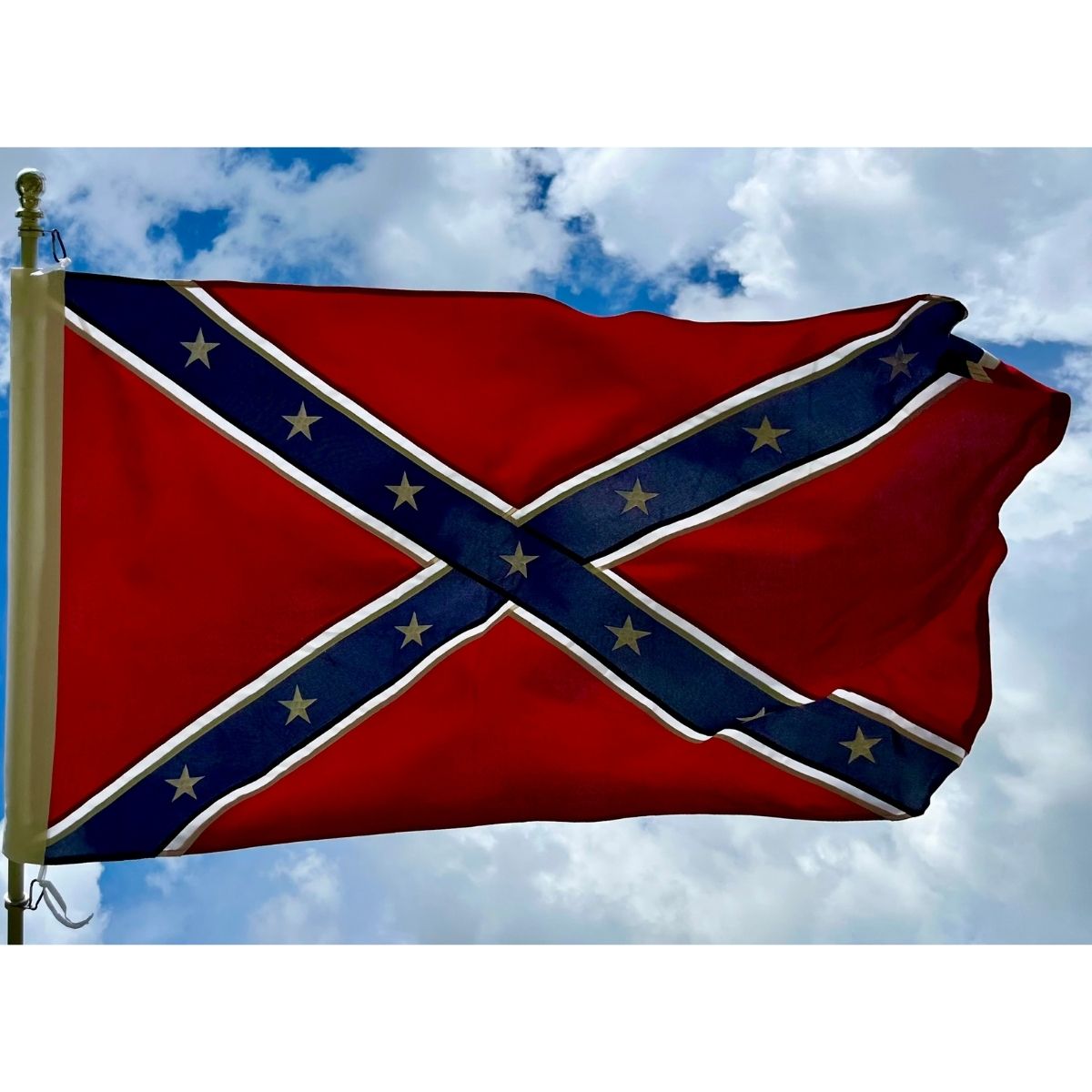
The Confederate Flag is one of the most recognized symbols from the American Civil War. Many people call it the Rebel Flag, the Confederate Battle Flag, or the Southern Cross Flag. The most common design today is the Battle Flag of Northern Virginia. This red flag with blue diagonal bars and white stars became closely tied to the Confederate Army during the war between the Confederate States of America and the Union Army.
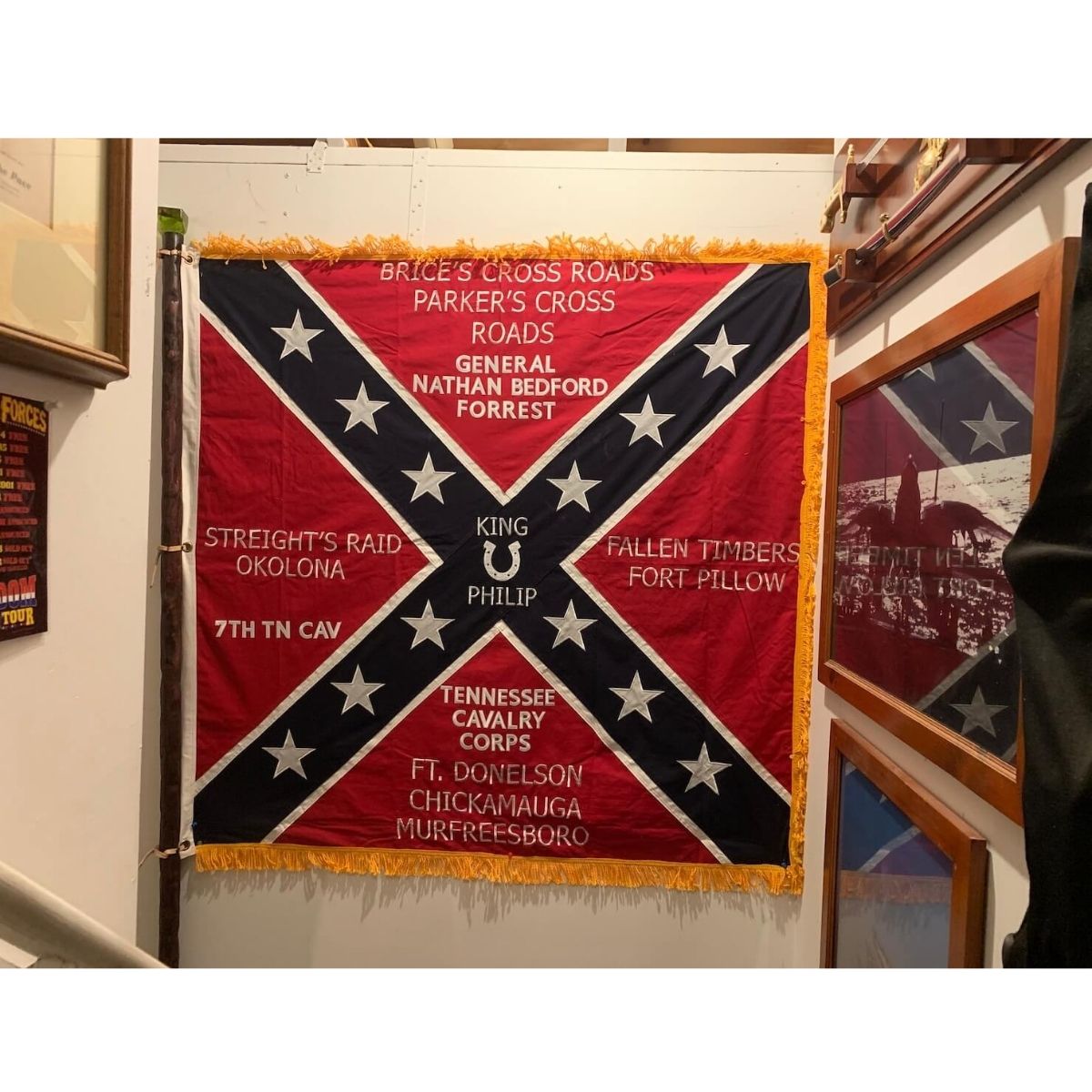
Many people ask about Confederate Battle Flag meaning. During the Civil War, the battle flag mainly served as a military symbol used to organize Confederate forces on the battlefield. Confederate regimental flags and Confederate division flags also helped commanders identify troop positions during combat. Civil War Confederate flags were critical tools for communication during battles filled with smoke, noise, and confusion.
Many people today call the Battle Flag of Northern Virginia the Confederate Flag, but the Confederacy actually used several national flags during the war. The first national Confederate States Flag was the Stars and Bars. Later national flags included the Stainless Banner and the Blood Stained Banner. The Confederate Navy also used separate naval designs such as the Confederate Naval Jack and Confederate Navy Jack.
Questions about Confederate Flag legality are common today. Many people ask if Confederate flags are illegal. In the United States, displaying a Confederate flag is generally protected by the First Amendment. However, some schools, workplaces, and government buildings may limit displays under specific rules or policies. Canada and some European countries may also treat Confederate symbolism differently depending on local laws or public concerns.
Confederate Flag colors meaning is another topic people study. The red field often represented courage and sacrifice during battle. White stars symbolized the Confederate states. The blue diagonal cross helped make the design easy to recognize during combat. The Confederate Flag evolution from the Stars and Bars to the Blood Stained Banner shows how military needs and national identity changed during the Civil War.
People often ask, “What does the Confederate Flag stand for?” The answer depends on personal interpretation and historical understanding. Some people view the Rebel Flag as a symbol of Southern heritage, family ancestry, military sacrifice, and country culture. Others connect Confederate symbolism to slavery, segregation, racism debate, and political symbolism. This disagreement continues to fuel the Confederate Flag controversy across the United States.
Many people ask about the Confederate Battle Flag meaning. During the war, the flag mainly served as a military symbol used to identify Confederate troops during combat. Confederate regimental flags and Confederate division flags also helped organize soldiers on the battlefield. Civil War Confederate flags were important for communication because battlefields were filled with smoke, noise, and confusion.
Collectors often look for different Confederate flags and historical reproductions. Popular items include the 3x5 Confederate Flag, 4x6 Confederate Flag, outdoor Confederate flag, waterproof Confederate flag, Confederate Flag pole kit, and Confederate Battle Flag replicas. Some buyers prefer printed Confederate flags while others want sewn Confederate flags or embroidered Confederate flags for display.
People also ask, “Are Confederate flags banned from government buildings?” Some states, cities, schools, and federal agencies have removed Confederate flags from public property. Policies vary depending on the government institution and location. Confederate flags at National Park Service sites and other historical areas have often been part of public discussions about historical preservation.
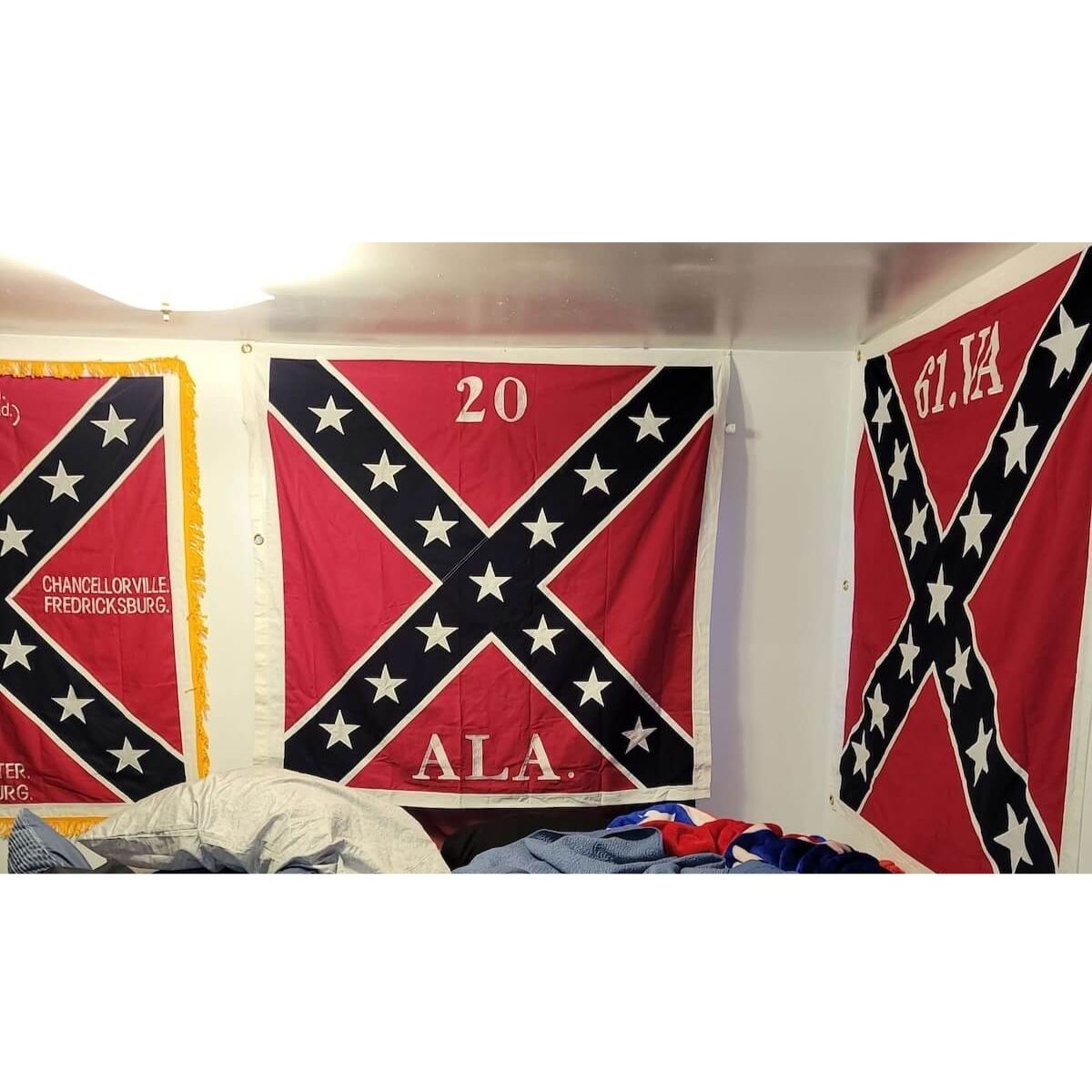
Collectors and reenactors continue buying different Confederate flags today. Popular items include the 3x5 Confederate Flag, 4x6 Confederate Flag, large Rebel Flag, Confederate Flag banner, outdoor Confederate Flag, waterproof Confederate Flag, cotton Confederate Flag, sewn Confederate Flag, embroidered Confederate Flag, and Confederate Flag pole kit. Some people buy Confederate Battle Flag replicas for Civil War reenactments while others collect historical reproductions for display.

Questions about Confederate Flag legality continue today. In most cases, displaying Confederate flags is protected under free speech laws in the United States. However, schools, businesses, sports organizations, and government buildings may create rules about displaying Confederate symbols. Confederate flags at Ole Miss and Confederate flags at National Park Service locations have both been part of public discussion and policy debates.
Groups such as the Sons of Confederate Veterans and the United Daughters of the Confederacy helped preserve Confederate memorials, Confederate monuments, and historical records connected to Stonewall Jackson and other Confederate leaders. Historical preservation efforts across Virginia, Tennessee, Georgia, Alabama, and other Southern states often included memorials honoring Jackson's military service.
Many people also study Confederate Flag colors meaning. The red field of the Battle Flag of Northern Virginia represented courage and sacrifice to many Confederate soldiers. White stars represented Confederate states while the blue diagonal cross made the design easier to recognize during battle. The Confederate Flag evolution from the Stars and Bars to later designs shows how military needs influenced Confederate symbols throughout the Civil War.
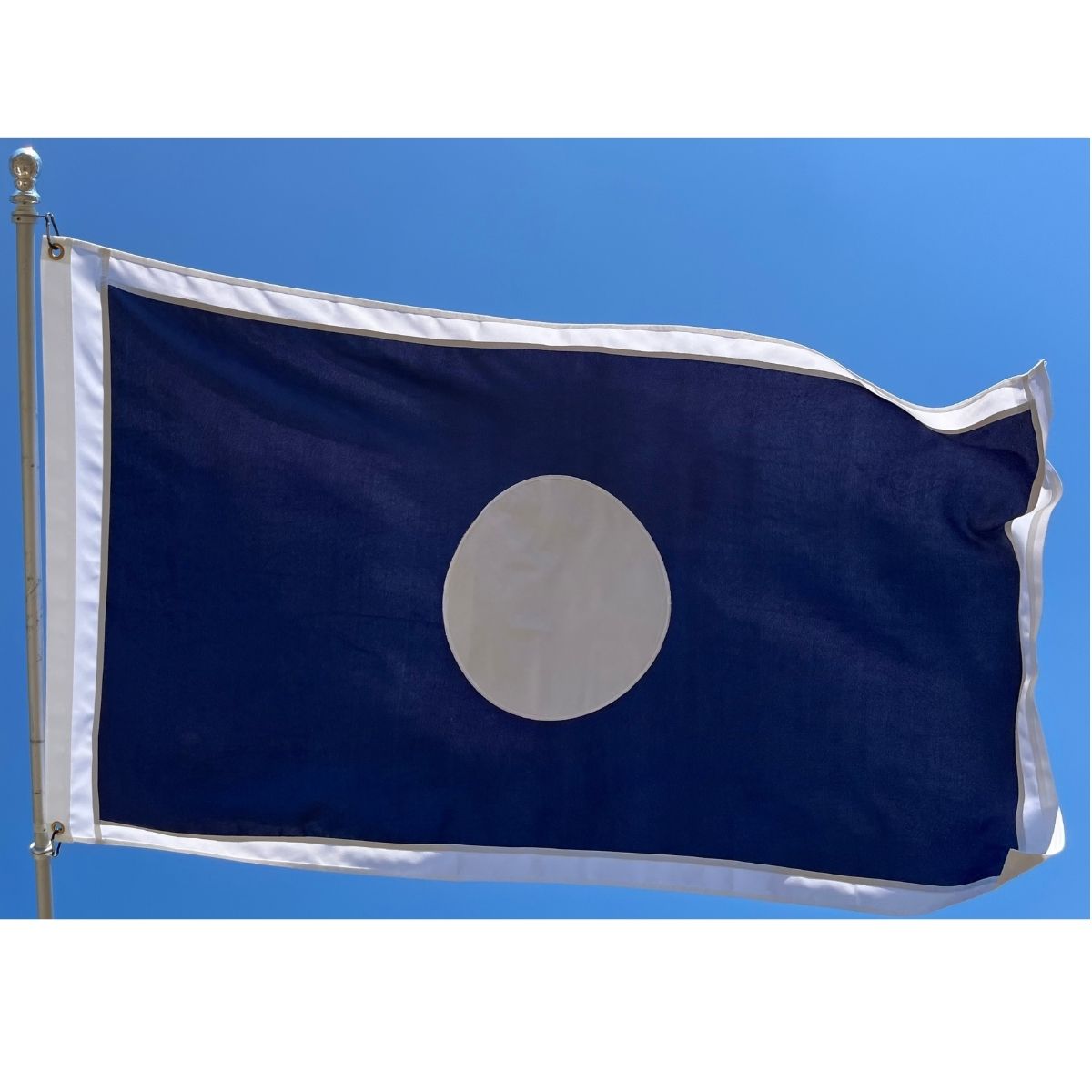
The Confederate Navy used additional flag designs during the war. The Confederate Naval Jack and Confederate Navy Jack appeared on warships and naval stations operated by the Confederate Navy. Confederate Memorials Different Confederate flags existed for separate military branches and battlefield needs throughout the Civil War.
Thomas Jonathan Jackson was born on January 21, 1824, in Clarksburg, Virginia, which is now part of West Virginia. Jackson faced many hardships as a child after his father died when he was very young. Confederate Monuments Despite financial struggles, he worked hard and eventually received an appointment to the United States Military Academy at West Point. Jackson graduated in 1846 and later served in the United States Army during the Mexican American War.
Confederate Flag colors meaning is another common topic. The red field represented courage and sacrifice for many Confederate soldiers. White stars represented the Confederate states. The blue diagonal cross made the flag easy to recognize during battle. Ultimate Flags - Is the Confederate Flag Racist? The Confederate Flag evolution from the Stars and Bars to the Battle Flag of Northern Virginia shows how military needs shaped Confederate designs during the Civil War.